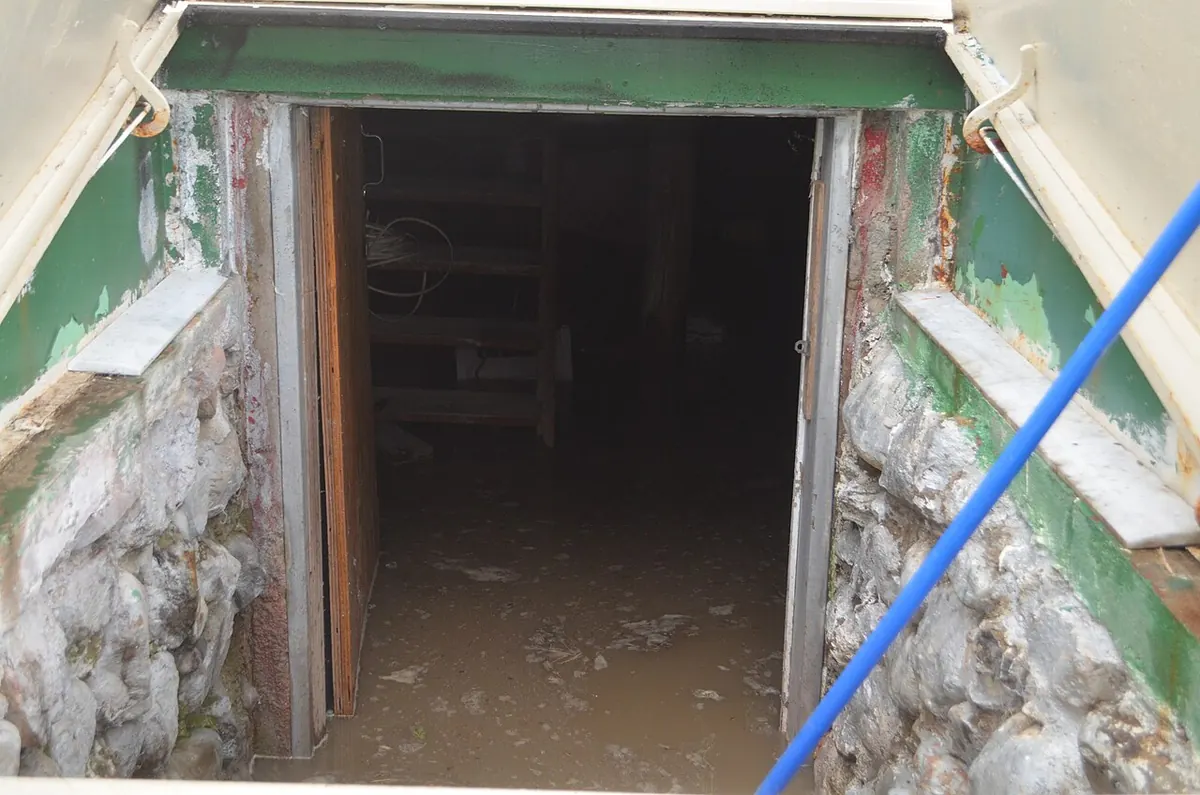
In Chicago and many older suburbs, a heavy summer storm can fill basements within an hour. Whether insurance pays — and how much — usually depends on where the water came from.
Four common sources
- Sewer or drain backup. Water pushed up through floor drains, toilets or sinks when sewers surcharge. Typically excluded unless you have a water backup endorsement.
- Sump pump failure. Water that enters because the sump pump failed or was overwhelmed. Often grouped with backup under the same endorsement.
- Surface flooding. Water entering from outside through walls, window wells or doors. Usually excluded from homeowners policies and covered only by flood insurance.
- Internal plumbing. Burst pipes or failed water heaters. Typically covered under the base policy if sudden and accidental.
Endorsement limits matter
Water backup endorsements often come with limits like $5,000, $10,000 or $25,000. A finished basement can cost far more than that to rebuild. Check your declarations page now, before a storm, and consider whether your limit is realistic.
Flood insurance
Flood insurance through the National Flood Insurance Program covers some basement items but has significant limitations for finished basements. Private flood policies vary. If you’re in a flood-prone area, read those limitations carefully.
Where appraisal fits
Appraisal doesn’t decide which coverage applies. But once the insurer accepts coverage, appraisal can resolve disputes about the cost of drying, tear-out and rebuilding. It can also confirm the full amount of loss when an endorsement limit and another coverage might both apply.
After a basement loss
- Stop the water source if possible and start drying immediately.
- Photograph water lines on walls and the source of the water.
- Keep moisture readings and invoices from your mitigation company.
- Save samples of damaged flooring or materials if practical.
Our sewer backup endorsement gap checker shows how your limit compares with a realistic loss.