Large losses, different problems
Commercial and association claims rarely turn on a single line item. They turn on how many buildings, roof sections, rooftop units and elevations are included in the scope at all. A carrier may agree to replace three of twelve townhome roofs and repair the rest; it may accept damage to a flat membrane but dispute the insulation underneath. Getting that framework right matters far more than haggling over the price of shingles.
Properties we work on
- Townhome and condominium associations across the collar counties, often with dozens of buildings under one master policy.
- High-rise and mid-rise condos in Chicago where the association’s master policy and each owner’s HO-6 must be sorted out.
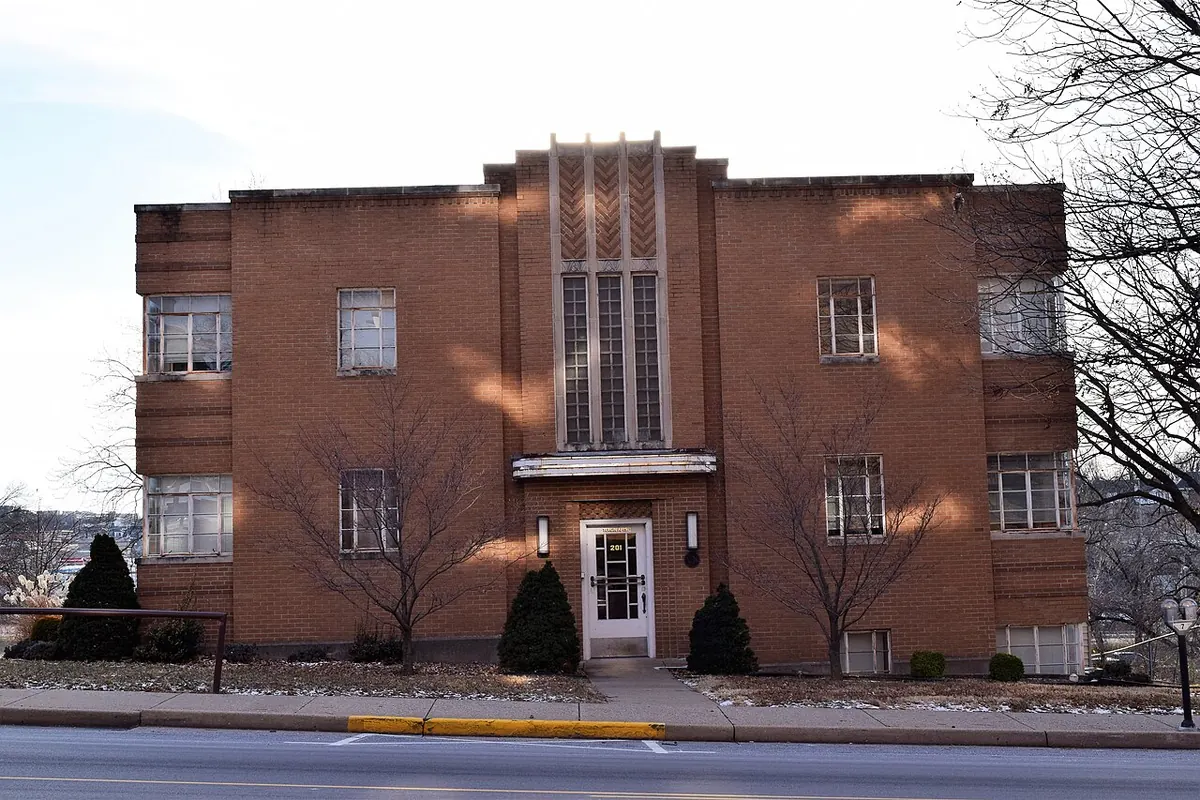
- Retail centers, office buildings, warehouses and light-industrial buildings with low-slope membrane roofs.
- Churches, schools and nonprofit buildings with steep slate, tile or standing-seam roofs.
- Apartment buildings, from courtyard walk-ups to suburban garden complexes.
How we scope commercial claims
We document each building and roof section separately, with core samples and moisture readings on low-slope roofs where appropriate. Our estimate is organized by building and coverage so the award can be issued cleanly. For associations, we can report to the board in writing and attend meetings so members understand where the claim stands.
Business interruption and code upgrades
Commercial policies often carry business income, extra expense and ordinance-or-law coverages. Some of those questions fall outside the appraisal panel; others can be included if both sides agree. We flag them early so nothing is waived by accident, and we bring in accountants or counsel when the question isn’t ours to answer.
Frequently asked questions
Our HOA has 30 buildings. Do we need 30 appraisals?
No. One appraisal covers the claim, but the estimate and award should break out each building so payment and repairs can be tracked.
Who decides whether the master policy or my HO-6 pays?
Your association’s declaration and the two policies decide that. We value the loss and help identify which items fall under which policy, but coverage disputes may need an attorney.